Business Name: BeeHive Homes of Page - Elk Road
Address: 95 Elk Rd, Page, AZ 86040
Phone: (928) 613-2643
BeeHive Homes of Page - Elk Road
Serving the lakeside community of Page, AZ this new modern Bee Hive home is located not too far from Lake Powell Blvd. across from the golf course. Private and shared rooms are available for reduced cost for all levels of care. The outdoor patio and putting green is a great place to relax and enjoy the beautiful desert scenery. Several members of our experienced staff have been with us for nearly 10 years and the quality of care is exceptional. This is a beautiful place to live and the residents really enjoy the modern decor.
95 Elk Rd, Page, AZ 86040
Business Hours
Monday thru Sunday: Open 24 hours
TikTok: https://www.tiktok.com/@beehivehomesofpage
Facebook: https://www.facebook.com/beehivepageelk/
The households I fulfill hardly ever arrive with basic concerns. They come with a patchwork of medical notes, a list of favorite foods, a kid's telephone number circled twice, and a life time's worth of habits and hopes. Assisted living and the broader landscape of senior care work best when they respect that intricacy. Customized care strategies are the structure that turns a structure with services into a location where somebody can keep living their life, even as their requirements change.
Care strategies can sound medical. On paper they include medication schedules, mobility assistance, and keeping track of protocols. In practice they work like a living bio, upgraded in real time. They catch stories, preferences, sets off, and objectives, then translate that into daily actions. When done well, the plan secures health and safety while maintaining autonomy. When done badly, it ends up being a checklist that deals with symptoms and misses the person.
What "customized" actually needs to mean
An excellent strategy has a few obvious components, like the ideal dosage of the best medication or a precise fall danger evaluation. Those are non-negotiable. But personalization shows up in the details that hardly ever make it into discharge documents. One resident's high blood pressure increases when the room is loud at breakfast. Another consumes better when her tea arrives in her own floral mug. Someone will shower quickly with the radio on low, yet declines without music. These seem small. They are not. In senior living, small choices substance, day after day, into state of mind stability, nutrition, self-respect, and less crises.

The finest strategies I have seen checked out like thoughtful agreements rather than orders. They say, for instance, that Mr. Alvarez prefers to shave after lunch when his tremor is calmer, that he invests 20 minutes on the outdoor patio if the temperature level sits in between 65 and 80 degrees, which he calls his daughter on Tuesdays. None of these notes lowers a lab outcome. Yet they lower agitation, improve appetite, and lower the problem on personnel who otherwise think and hope.
Personalization starts at admission and continues through the full stay. Households sometimes expect a fixed document. The better mindset is to treat the plan as a hypothesis to test, improve, and in some cases replace. Needs in elderly care do not stand still. Movement can change within weeks after a minor fall. A new diuretic may change toileting patterns and sleep. A modification in roomies can unsettle someone with mild cognitive disability. The strategy needs to anticipate this fluidity.
The building blocks of a reliable plan
Most assisted living communities collect comparable information, however the rigor and follow-through make the distinction. I tend to search for six core elements.
- Clear health profile and risk map: medical diagnoses, medication list, allergic reactions, hospitalizations, pressure injury threat, fall history, discomfort signs, and any sensory impairments. Functional evaluation with context: not only can this person shower and dress, but how do they choose to do it, what devices or triggers assistance, and at what time of day do they operate best. Cognitive and emotional standard: memory care requirements, decision-making capability, activates for stress and anxiety or sundowning, chosen de-escalation strategies, and what success appears like on a great day. Nutrition, hydration, and regimen: food preferences, swallowing dangers, dental or denture notes, mealtime routines, caffeine intake, and any cultural or religious considerations. Social map and significance: who matters, what interests are authentic, past roles, spiritual practices, chosen methods of adding to the neighborhood, and subjects to avoid. Safety and communication plan: who to require what, when to intensify, how to document modifications, and how resident and household feedback gets recorded and acted upon.
That list gets you the skeleton. The muscle and connective tissue come from one or two long conversations where staff put aside the type and just listen. Ask somebody about their hardest early mornings. Ask how they made big decisions when they were more youthful. That may appear unimportant to senior living, yet it can reveal whether a person values independence above comfort, or whether they lean toward regular over variety. The care plan should reflect these worths; otherwise, it trades short-term compliance for long-lasting resentment.
Memory care is personalization showed up to eleven
In memory care areas, personalization is not a bonus offer. It is the intervention. Two residents can share the same diagnosis and phase yet require significantly different methods. One resident with early Alzheimer's may thrive with a constant, structured day anchored by a morning walk and a photo board of family. Another may do better with micro-choices and work-like tasks that harness procedural memory, such as folding towels or sorting hardware.
I remember a guy who ended up being combative during showers. We attempted warmer water, different times, very same gender caregivers. Minimal improvement. A daughter casually mentioned he had been a farmer who started his days before daybreak. We moved the bath to 5:30 a.m., introduced the scent of fresh coffee, and utilized a warm washcloth first. Aggression dropped from near-daily to practically none throughout 3 months. There was no new medication, just a plan that respected his internal clock.
In memory care, the care strategy should anticipate misconceptions and build in de-escalation. If someone thinks they need to pick up a child from school, arguing about time and date seldom helps. A much better strategy gives the right action phrases, a brief walk, a reassuring call to a family member if needed, and a familiar job to land the person in the present. This is not hoax. It is generosity adjusted to a brain under stress.
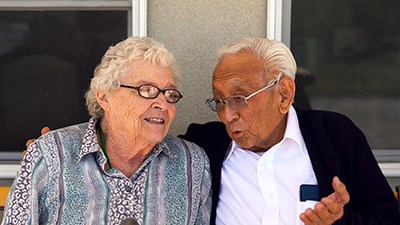
The best memory care plans also acknowledge the power of markets and smells: the bakeshop fragrance machine that wakes hunger at 3 p.m., the basket of locks and knobs for agitated hands, the old church hymns at low volume throughout sundowning hour. None of that appears on a generic care list. All of it belongs on a tailored one.
Respite care and the compressed timeline
Respite care compresses whatever. You have days, not weeks, to discover practices and produce stability. Households use respite for caregiver relief, recovery after surgery, or to test whether assisted living may fit. The move-in frequently takes place under strain. That magnifies the value of customized care due to the fact that the resident is handling change, and the household carries worry and fatigue.
A strong respite care strategy does not aim for perfection. It goes for three wins within the first 2 days. Perhaps it is uninterrupted sleep the first night. Perhaps it is a complete breakfast consumed without coaxing. Possibly it is a shower that did not feel like a battle. Set those early objectives with the family and then record exactly what worked. If somebody consumes better when toast gets here initially and eggs later on, capture that. If a 10-minute video call with a grand son steadies the mood at sunset, put it in the regimen. Good respite programs hand the family a short, useful after-action report when the stay ends. That report typically ends up being the foundation of a future long-term plan.
Dignity, autonomy, and the line between safety and restraint
Every care strategy works out a boundary. We want to prevent falls however not debilitate. We wish to guarantee medication adherence however prevent infantilizing pointers. We wish to keep an eye on for roaming without stripping personal privacy. These trade-offs are not hypothetical. They show up at breakfast, in the hallway, and throughout bathing.
A resident who demands using a walking stick when a walker would be much safer is not being difficult. They are attempting to hold onto something. The plan must call the risk and style a compromise. Maybe the cane remains for short walks to the dining room while staff join for longer strolls outdoors. Possibly physical therapy focuses on balance work that makes the walking cane safer, with a walker readily available for bad days. A strategy that reveals "walker only" without context may minimize falls yet spike depression and resistance, which then increases fall danger anyway. The objective is not no danger, it is resilient safety aligned with a person's values.
A similar calculus applies to alarms and sensing units. Technology can support safety, but a bed exit alarm that shrieks at 2 a.m. can disorient someone in memory care and wake half the hall. A better fit might be a quiet alert to staff coupled with a motion-activated night light that hints orientation. Personalization turns the generic tool into a gentle solution.
Families as co-authors, not visitors
No one knows a resident's life story like their household. Yet households sometimes feel dealt with as informants at move-in and as visitors after. The greatest assisted living neighborhoods treat households as co-authors of the plan. That requires structure. Open-ended invites to "share anything helpful" tend to produce polite nods and little data. Directed concerns work better.
Ask for 3 examples of how the person managed stress at different life phases. Ask what taste of assistance they accept, practical or nurturing. Inquire about the last time they amazed the household, for better or even worse. Those responses offer insight you can not receive from vital indications. They help staff forecast whether a resident responds to humor, to clear reasoning, to peaceful existence, or to gentle distraction.
Families also need transparent feedback. A quarterly care conference with templated talking points can feel perfunctory. I favor shorter, more frequent touchpoints tied to minutes that matter: after a medication change, after a fall, after a holiday visit that went off track. The strategy progresses throughout those conversations. Gradually, households see that their input produces noticeable modifications, not simply nods in a binder.
Staff training is the engine that makes plans real
An individualized plan suggests absolutely nothing if the people providing care can not perform it under pressure. Assisted living groups handle lots of locals. Staff modification shifts. New works with arrive. A plan that depends on a single star caregiver will collapse the very first time that individual employs sick.
Training has to do 4 things well. Initially, it should equate the plan into basic actions, phrased the method individuals in fact speak. "Deal cardigan before helping with shower" is more useful than "enhance thermal comfort." Second, it should use repetition and scenario practice, not simply a one-time orientation. Third, it needs to show the why behind each choice so personnel can improvise when scenarios shift. Finally, it must empower aides to propose plan updates. If night personnel consistently see a pattern elderly care that day personnel miss out on, a good culture invites them to document and recommend a change.
Time matters. The neighborhoods that stick to 10 or 12 locals per caretaker during peak times can in fact customize. When ratios climb far beyond that, personnel revert to task mode and even the very best plan ends up being a memory. If a facility declares comprehensive personalization yet runs chronically thin staffing, believe the staffing.
Measuring what matters
We tend to measure what is easy to count: falls, medication mistakes, weight changes, hospital transfers. Those indicators matter. Personalization must improve them gradually. However a few of the very best metrics are qualitative and still trackable.
I look for how typically the resident starts an activity, not simply attends. I see how many refusals occur in a week and whether they cluster around a time or job. I keep in mind whether the very same caregiver handles difficult minutes or if the methods generalize across personnel. I listen for how often a resident usages "I" statements versus being spoken for. If someone begins to welcome their next-door neighbor by name once again after weeks of peaceful, that belongs in the record as much as a high blood pressure reading.
These seem subjective. Yet over a month, patterns emerge. A drop in sundowning occurrences after including an afternoon walk and protein snack. Less nighttime restroom calls when caffeine changes to decaf after 2 p.m. The plan progresses, not as a guess, but as a series of small trials with outcomes.
The cash discussion the majority of people avoid
Personalization has a cost. Longer consumption evaluations, personnel training, more generous ratios, and specialized programs in memory care all require investment. Families often encounter tiered pricing in assisted living, where higher levels of care bring greater charges. It assists to ask granular concerns early.
How does the community adjust rates when the care strategy includes services like frequent toileting, transfer help, or additional cueing? What takes place economically if the resident relocations from basic assisted living to memory care within the same campus? In respite care, exist add-on charges for night checks, medication management, or transportation to appointments?
The goal is not to nickel-and-dime, it is to align expectations. A clear financial roadmap prevents animosity from building when the strategy changes. I have actually seen trust wear down not when costs rise, however when they rise without a conversation grounded in observable needs and recorded benefits.
When the strategy fails and what to do next
Even the best strategy will strike stretches where it merely stops working. After a hospitalization, a resident returns deconditioned. A medication that as soon as stabilized mood now blunts appetite. A beloved buddy on the hall moves out, and solitude rolls in like fog.
In those minutes, the worst reaction is to push more difficult on what worked in the past. The much better move is to reset. Assemble the small group that knows the resident best, including household, a lead assistant, a nurse, and if possible, the resident. Name what altered. Strip the plan to core goals, two or three at the majority of. Construct back intentionally. I have actually watched strategies rebound within 2 weeks when we stopped attempting to repair everything and focused on sleep, hydration, and one cheerful activity that came from the individual long in the past senior living.
If the strategy repeatedly fails despite patient adjustments, think about whether the care setting is mismatched. Some individuals who enter assisted living would do better in a dedicated memory care environment with various cues and staffing. Others may require a short-term experienced nursing stay to recuperate strength, then a return. Personalization consists of the humility to recommend a various level of care when the evidence points there.
How to examine a community's technique before you sign
Families visiting communities can sniff out whether individualized care is a slogan or a practice. Throughout a tour, ask to see a de-identified care strategy. Search for specifics, not generalities. "Encourage fluids" is generic. "Deal 4 oz water at 10 a.m., 2 p.m., and with medications, flavored with lemon per resident choice" reveals thought.
Pay attention to the dining-room. If you see an employee crouch to eye level and ask, "Would you like the soup initially today or your sandwich?" that tells you the culture worths choice. If you see trays dropped with little conversation, personalization may be thin.
Ask how plans are updated. A great answer references continuous notes, weekly reviews by shift leads, and household input channels. A weak response leans on yearly reassessments just. For memory care, ask what they do throughout sundowning hour. If they can explain a calm, sensory-aware routine with specifics, the plan is likely living on the floor, not simply the binder.
Finally, search for respite care or trial stays. Communities that use respite tend to have more powerful consumption and faster personalization since they practice it under tight timelines.
The peaceful power of regular and ritual
If customization had a texture, it would feel like familiar material. Routines turn care tasks into human minutes. The scarf that signals it is time for a walk. The photograph put by the dining chair to cue seating. The method a caretaker hums the first bars of a favorite tune when guiding a transfer. None of this costs much. All of it requires understanding an individual all right to select the right ritual.
There is a resident I think about frequently, a retired curator who guarded her self-reliance like a precious very first edition. She refused help with showers, then fell twice. We constructed a strategy that provided her control where we could. She picked the towel color each day. She checked off the actions on a laminated bookmark-sized card. We warmed the restroom with a little safe heater for three minutes before beginning. Resistance dropped, and so did risk. More significantly, she felt seen, not managed.
What personalization gives back
Personalized care plans make life simpler for staff, not harder. When routines fit the person, refusals drop, crises diminish, and the day streams. Households shift from hypervigilance to collaboration. Homeowners invest less energy defending their autonomy and more energy living their day. The measurable results tend to follow: less falls, less unneeded ER trips, much better nutrition, steadier sleep, and a decrease in behaviors that cause medication.
Assisted living is a guarantee to stabilize support and self-reliance. Memory care is a promise to hang on to personhood when memory loosens. Respite care is a promise to provide both resident and household a safe harbor for a brief stretch. Customized care strategies keep those promises. They honor the specific and translate it into care you can feel at the breakfast table, in the quiet of the afternoon, and throughout the long, often unsettled hours of evening.
The work is detailed, the gains incremental, and the result cumulative. Over months, a stack of small, precise options ends up being a life that still looks and feels like the resident's own. That is the role of customization in senior living, not as a luxury, however as the most useful course to self-respect, safety, and a day that makes sense.
BeeHive Homes of Page - Elk Road provides assisted living care
BeeHive Homes of Page - Elk Road provides memory care services
BeeHive Homes of Page - Elk Road provides respite care services
BeeHive Homes of Page - Elk Road supports assistance with bathing and grooming
BeeHive Homes of Page - Elk Road offers private bedrooms with private bathrooms
BeeHive Homes of Page - Elk Road provides medication monitoring and documentation
BeeHive Homes of Page - Elk Road serves dietitian-approved meals
BeeHive Homes of Page - Elk Road provides housekeeping services
BeeHive Homes of Page - Elk Road provides laundry services
BeeHive Homes of Page - Elk Road offers community dining and social engagement activities
BeeHive Homes of Page - Elk Road features life enrichment activities
BeeHive Homes of Page - Elk Road supports personal care assistance during meals and daily routines
BeeHive Homes of Page - Elk Road promotes frequent physical and mental exercise opportunities
BeeHive Homes of Page - Elk Road provides a home-like residential environment
BeeHive Homes of Page - Elk Road creates customized care plans as residents’ needs change
BeeHive Homes of Page - Elk Road assesses individual resident care needs
BeeHive Homes of Page - Elk Road accepts private pay and long-term care insurance
BeeHive Homes of Page - Elk Road assists qualified veterans with Aid and Attendance benefits
BeeHive Homes of Page - Elk Road encourages meaningful resident-to-staff relationships
BeeHive Homes of Page - Elk Road delivers compassionate, attentive senior care focused on dignity and comfort
BeeHive Homes of Page - Elk Road has a phone number of (928) 613-2643
BeeHive Homes of Page - Elk Road has an address of 95 Elk Rd, Page, AZ 86040
BeeHive Homes of Page - Elk Road has a website https://beehivehomes.com/locations/page/
BeeHive Homes of Page - Elk Road has Google Maps listing https://maps.app.goo.gl/AnsyxFvEcvkNBkiW6
BeeHive Homes of Page - Elk Road has TikTok page https://www.tiktok.com/@beehivehomesofpage
BeeHive Homes of Page - Elk Road has Facebook page https://www.facebook.com/beehivepageelk/
BeeHive Homes of Page - Elk Road won Top Assisted Living Homes 2025
BeeHive Homes of Page - Elk Road earned Best Customer Service Award 2024
BeeHive Homes of Page - Elk Road placed 1st for Senior Living Communities 2025
People Also Ask about BeeHive Homes of Page - Elk Road
What is our monthly room rate?
Our all-inclusive monthly rate is $5,600. This includes meals, activities, medication management, daily care, and supervision. There are no hidden costs or surprise fees
Can residents stay in BeeHive Homes until the end of their life?
Usually yes. There are exceptions, such as when there are safety issues with the resident, or they need 24 hour skilled nursing services
Do we have a nurse on staff?
No, but each BeeHive Home has a consulting Nurse available 24 – 7. if nursing services are needed, a doctor can order home health to come into the home
What are BeeHive Homes’ visiting hours?
Visiting hours are adjusted to accommodate the families and the resident’s needs… just not too early or too late
Do we have couple’s rooms available?
Yes, couples can share a room at BeeHive Homes of Page. Room availability may vary due to our state-licensed capacity, so please ask about current options
Where is BeeHive Homes of Page - Elk Road located?
BeeHive Homes of Page - Elk Road is conveniently located at 95 Elk Rd, Page, AZ 86040. You can easily find directions on Google Maps or call at (928) 613-2643 Monday thru Sunday: Open 24 hours
How can I contact BeeHive Homes of Page - Elk Road?
You can contact BeeHive Homes of Page - Elk Road by phone at: (928) 613-2643, visit their website at https://beehivehomes.com/locations/page/ or connect on social media via TikTok or Facebook
Residents may take a trip to the Page - Elk Road Heritage House Museum. The Page - Elk Road Heritage House Museum offers historic exhibits in a calm setting ideal for assisted living and memory care enrichment during senior care and respite care visits.